FOOD FOR A HEALTHY HEART: BEST FOOD TO REDUCE YOUR RISK OF CARDIOVASCULAR DISEASE
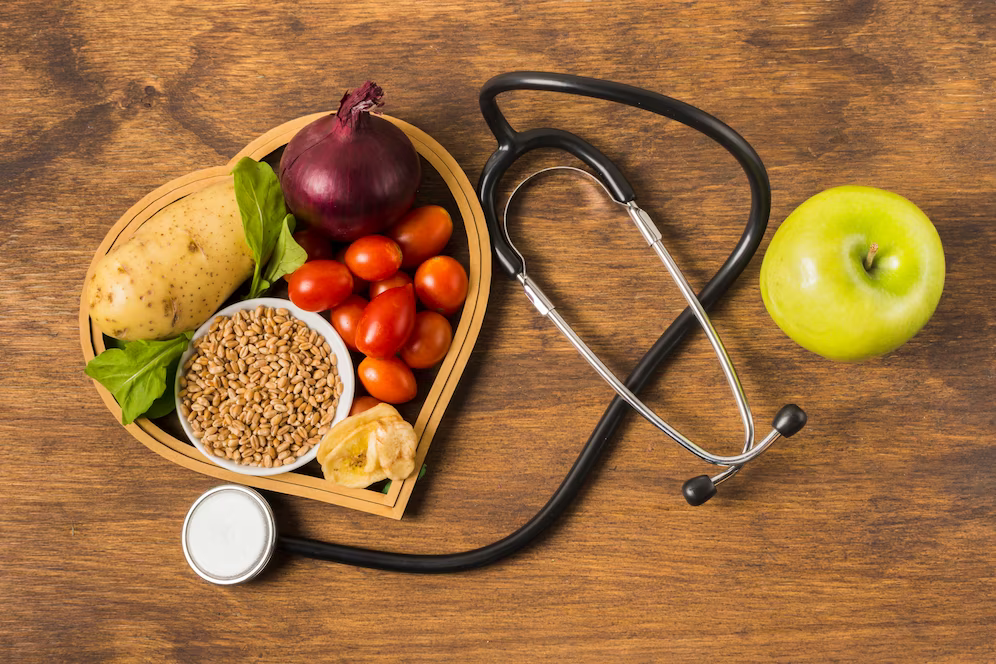
When it comes to maintaining a healthy heart, the food we consume plays a crucial role. Eating a well-balanced diet filled with heart-healthy foods can significantly reduce the risk of developing cardiovascular disease, one of the leading causes of death globally. With so many options to choose from, it can be overwhelming to know which foods are best for our heart health. In this article, we’ll explore the top foods that have been scientifically proven to promote a healthy heart and reduce the risk of heart disease, giving you the knowledge to make informed decisions about your diet and overall health.
Foods That Make You Less Prone To Cardiovascular Diseases:
A healthy heart is essential for overall well-being, and eating a diet rich in heart-healthy foods can reduce the risk of developing cardiovascular diseases. There are several foods that you can add to your diet that have been scientifically proven to promote heart health.
- Whole grains such as brown rice, quinoa, and whole-wheat bread are rich in fiber and have been shown to reduce the risk of heart disease by lowering cholesterol levels.
- Cruciferous vegetables like broccoli and cauliflower contain compounds that promote heart health by reducing inflammation in the body.
- Fatty fish like salmon are a great source of omega-3 fatty acids, which have been linked to a reduced risk of heart disease.
- Avocados are another heart-healthy food that is high in monounsaturated fats, which can help lower cholesterol levels.
- Dark chocolate is not only a delicious treat, but it also contains flavonoids that can improve heart health by reducing inflammation and improving blood flow.
- Olive oil is another excellent source of monounsaturated fats that can help lower cholesterol levels and reduce the risk of heart disease.
- Berries like blueberries and strawberries are packed with antioxidants that can protect the heart from damage caused by free radicals.
- Tomatoes are another heart-healthy food that is rich in lycopene, a compound that can help lower cholesterol levels.
- Nuts, seeds, and legumes are a great source of omega-3 fatty acids, which can help reduce the risk of heart disease.
- Beans like black beans and kidney beans are also high in fiber, which can help lower cholesterol levels.
- Prunes are another heart-healthy food that is rich in antioxidants and fiber.
- Garlic has been shown to have several heart-healthy benefits, including reducing blood pressure and cholesterol levels.
- Oranges are high in vitamin C, which can help protect the heart from damage caused by free radicals.
- Sardines are another great source of omega-3 fatty acids that can help reduce the risk of heart disease.
Incorporating these heart-healthy foods into your diet can make a significant difference in reducing your risk of developing cardiovascular diseases. By making small changes to your diet and lifestyle, you can take proactive steps towards improving your heart health and overall well-being.
Foods to Limit
While incorporating heart-healthy foods into your diet is essential for reducing the risk of cardiovascular diseases, it’s equally important to limit or avoid certain foods and habits that can harm your heart health. Here are some foods to limit or avoid:
- Red and processed meats: These are high in saturated fats, which can increase cholesterol levels and increase the risk of heart disease.
- Sugar-sweetened foods and beverages: These are high in added sugars, which can lead to weight gain, high blood sugar levels, and an increased risk of heart disease.
- Processed foods: These are often high in sugar, salt, trans fats, and additives, which can contribute to weight gain, high blood pressure, and an increased risk of heart disease.
- Refined carbohydrates: These include white bread, pasta, and rice, which are high in carbohydrates that can lead to spikes in blood sugar levels and increase the risk of heart disease.
- Alcohol: Consuming excessive amounts of alcohol can lead to high blood pressure, irregular heartbeats, and an increased risk of heart disease.
- Salt: Consuming too much salt can lead to high blood pressure, which is a major risk factor for heart disease.
- Smoking: Smoking is one of the most significant risk factors for heart disease, as it damages blood vessels, reduces oxygen levels, and increases the risk of blood clots.
By limiting or avoiding these foods and habits, you can reduce your risk of developing cardiovascular diseases and improve your heart health. Instead, focus on consuming a well-balanced diet that includes plenty of heart-healthy foods like fruits, vegetables, whole grains, and lean protein sources.
Conclusion
Maintaining a healthy heart is essential for overall well-being, and consuming a diet rich in heart-healthy foods can significantly reduce the risk of developing cardiovascular diseases. By incorporating foods like whole grains, cruciferous vegetables, fatty fish, avocados, dark chocolate, olive oil, berries, nuts, seeds, and legumes, beans, prunes, garlic, oranges, and sardines, you can promote heart health and reduce the risk of heart disease.
However, it’s equally important to limit or avoid foods like red and processed meats, sugar-sweetened foods and beverages, processed foods, refined carbohydrates, alcohol, salt, and smoking, which can harm your heart health. By making small changes to your diet and lifestyle, you can take proactive steps towards improving your heart health and overall well-being. So start making heart-healthy choices today, and live a longer, healthier life!